
Blog
What is Immersive? — A New Stage World Where Experience and Technology Meet
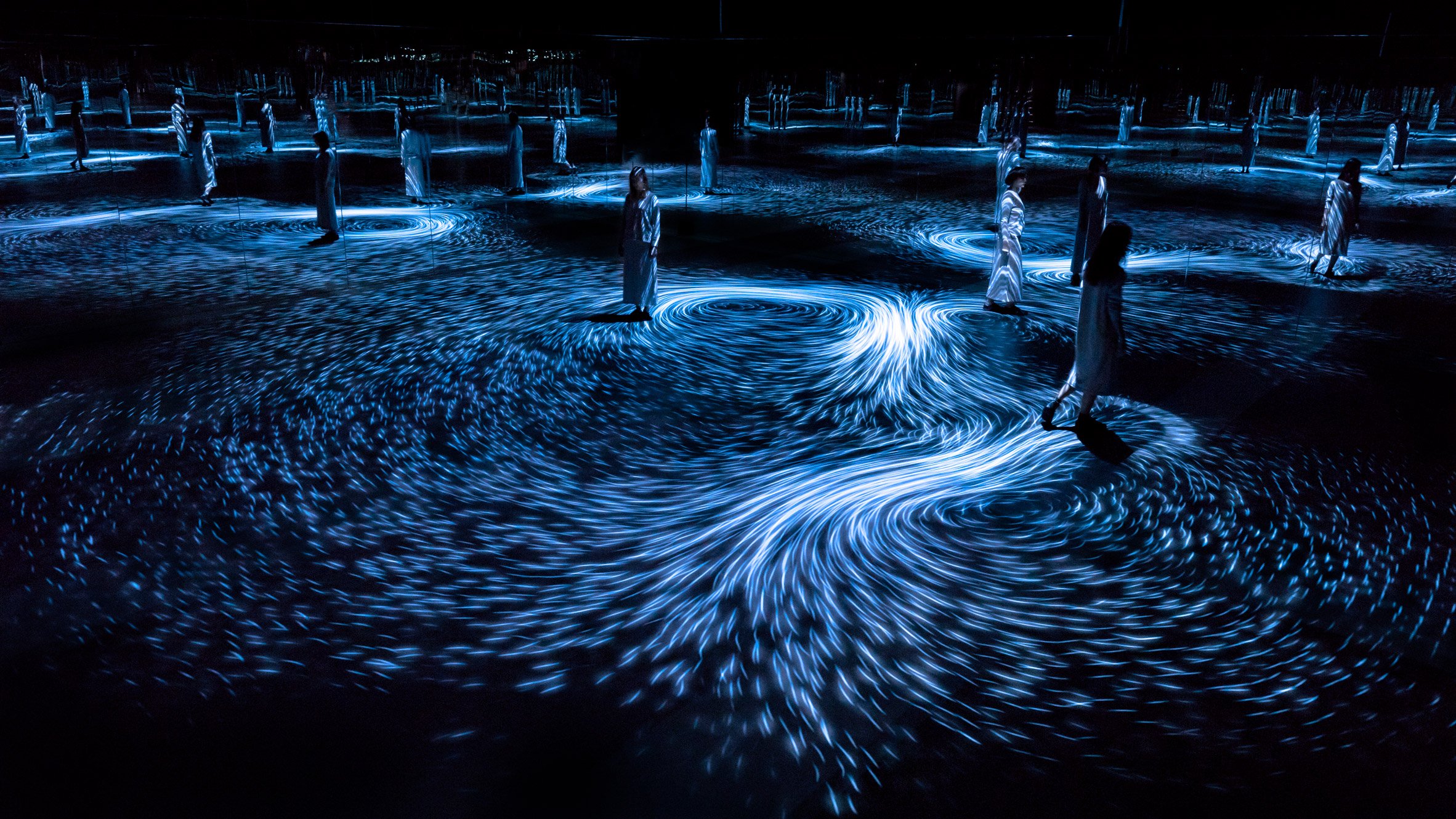
Introduction: What is an Immersive Experience?
Today, stage and visual productions offer more than just watching or listening experiences. The approach defined as “immersive” places the audience at the center of the experience, dissolving the boundaries between stage and screen. The audience is no longer a passive observer but an active participant in the experience. The stage and content are shaped together with the presence of the audience, who becomes part of the story through technology and design.
Core Components of the Immersive Experience
Immersive experiences are made possible through the combination of multiple disciplines. These components support both the technological infrastructure and the emotional journey:
1. XR, AR, and VR Layers
Virtual Reality (VR): Transports the audience into a fully digital world, disconnecting them from the physical space.
Augmented Reality (AR): Enriches the real-world environment with digital elements, offering a dual-layered experience that is both real and virtual.
Extended Reality (XR): Combines VR and AR to create mixed reality experiences. The audience interacts with both the physical space and digital content simultaneously.
2. Real-Time Visualization
Visuals and effects change based on audience movements or stage performance.
High resolution and detail enhance the sense of realism on stage.
Real-time content is delivered to the stage using tools like Unreal Engine, Unity, or media server systems.
3. Sensory Synchronization
Lighting Design: Sets the atmosphere and rhythm of the space and stage.
Sound Design: The direction, intensity, and timing of sound strengthen spatial perception.
Visual Design: Guides the audience’s focus and supports the story being told on stage.
4. Interaction and Audience Participation
Through sensors, camera systems, or mobile devices, the audience becomes part of the stage.
Each audience experience becomes unique; the performance and content adapt in response to their presence.

The Emotional and Psychological Dimension of the Immersive Experience
One of the strongest aspects of immersive design is that it doesn’t use technology solely for visual spectacle — it establishes an emotional connection with the audience.
Emotional Impact: The harmony of light, sound, and visuals fully immerses the audience in the atmosphere of the stage.
Storytelling: Space and content come together to tell a story; the audience doesn’t just watch — they live the story.
Perception of Participation: When the audience feels like a part of the experience, the connection between stage and content becomes stronger.
This dimension is particularly critical in defining the quality of experiences in concerts, theater, and interactive media.
The Stage of the Future: The Audience at the Center of the Experience
Immersive experiences are redefining stage and production arts. The audience is no longer merely a spectator but an active participant at the center of the stage.
Every light, effect, and visual brings the audience one step closer to the story.
When technology and creative design merge, the stage becomes a space that the audience inhabits and experiences.
This approach transforms stage arts into audience-centered, multi-layered experiences.
Immersive means not just seeing, but feeling and becoming part of the experience. The stage has now become a living organism — one that exists and evolves together with the audience.


One Response